Sash window glass replacement
Single cracked or broken panes replaced in putty or bead, matched to the glass around them rather than to a modern sheet.
- Single pane replacement
- Putty or bead glazed
- Matched to existing
Period glazing · London
Replacement glass and slim double glazing for timber sash and casement windows. Keeping the frames, the proportions and the character, which is usually the whole reason the windows are still there.
No forms. Call the workshop, or email and we will come back the same working day.

What we do
The argument for keeping original sash windows is that the frames are usually better made than their replacements and the proportions are part of the house. The argument against is cold and noise. Most of that can be fixed in the glass.
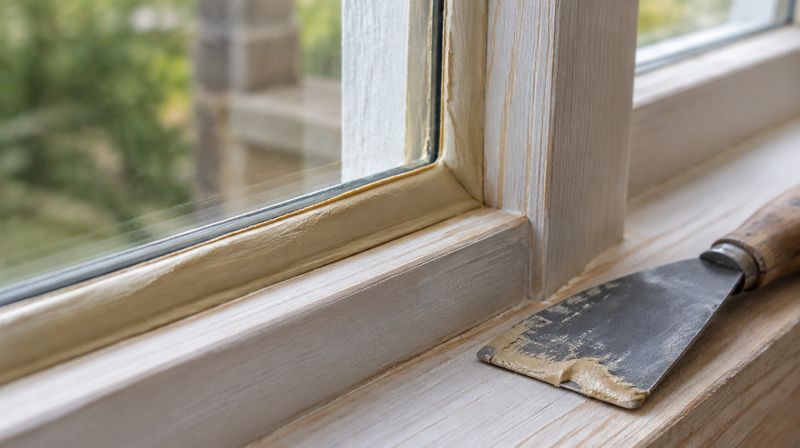
Single cracked or broken panes replaced in putty or bead, matched to the glass around them rather than to a modern sheet.
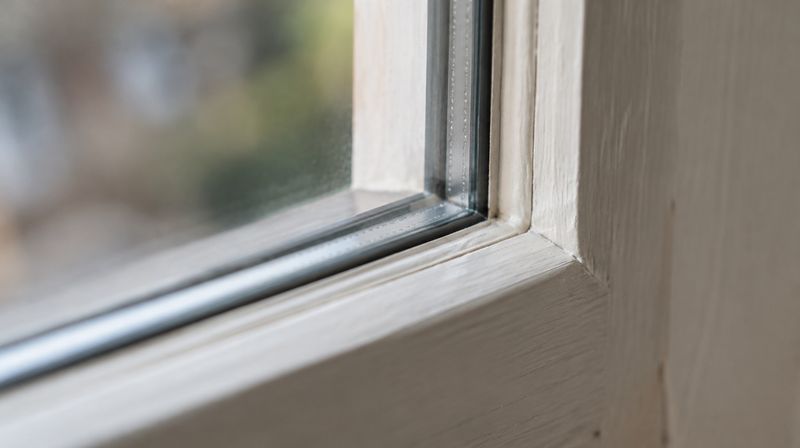
Narrow cavity units that fit a period rebate, bringing a sash window close to modern performance without deepening the frame.
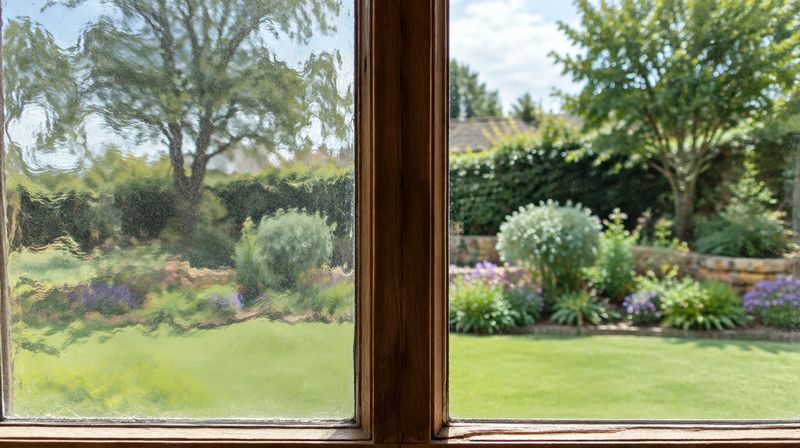
Glass with the gentle distortion and movement of handmade glazing, for houses where flat modern float looks wrong.
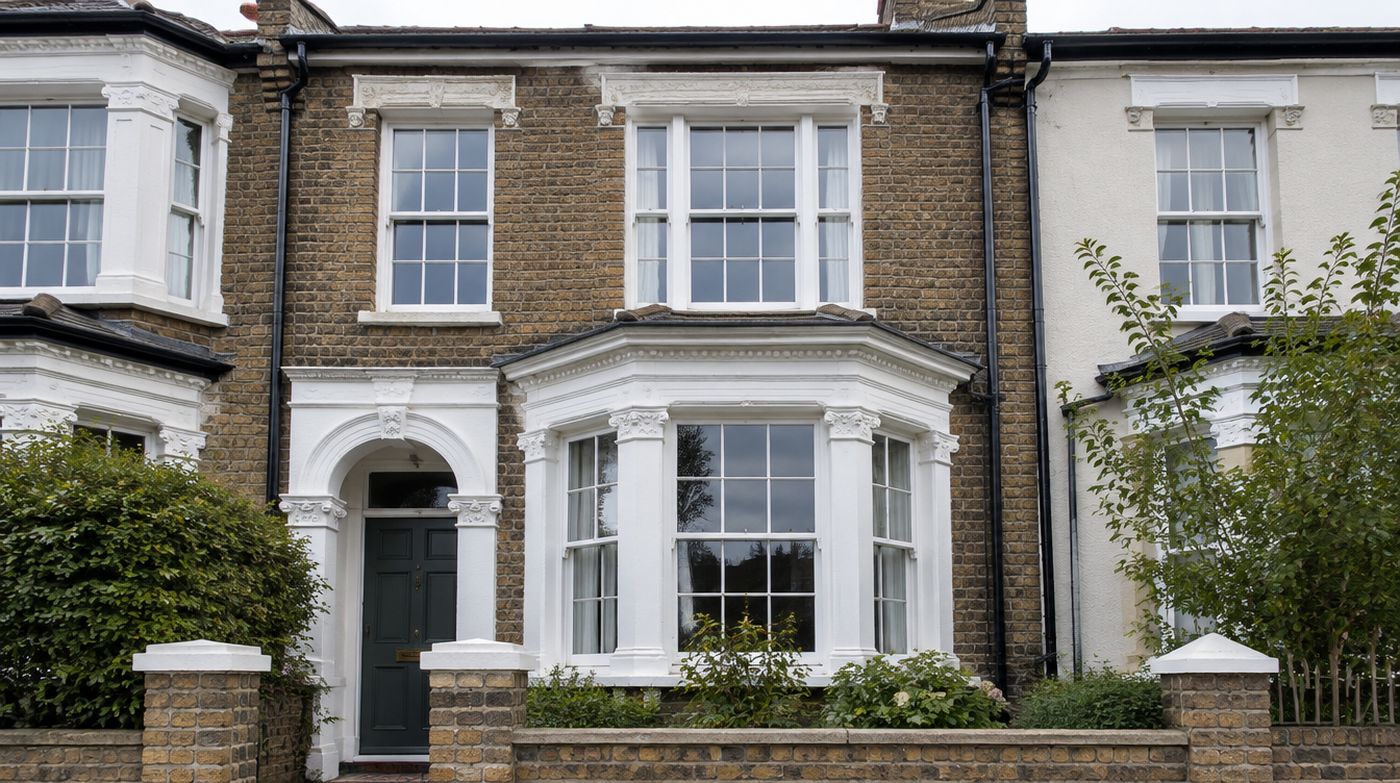
Units made to the bar spacing of the original window, so the pattern stays right when the glazing changes.
Acoustic laminated panes within a slim unit, for sash windows on busy London roads.
Timber casements and original steel windows, where the rebate is shallow and the glazing method is its own skill.
The work
Illustrative images of the systems described above. Specification and finish are confirmed in writing with your quotation.
Almost everyone who rings us about sash window glass has already decided what the problem is. The room is cold, the sashes rattle in a south-westerly, and single glazing looks like the obvious culprit. Sometimes it is. Far more often the glass is doing a mediocre job quietly while the gaps around it do a terrible job loudly, and the cheapest useful work in the house has nothing to do with glazing at all. A box sash is not a panel in a wall. It is a machine with moving parts, and the glass is one component in it.
That is worth knowing before you spend anything, because the real decisions in a Georgian, Victorian or Edwardian London house are decisions about timber, weight, air and consent. Get those right and modest glazing performs well. Get them wrong and expensive glazing disappoints you for twenty years.
Take the staff bead off the inside of a sash window and the whole thing explains itself. The frame is a hollow box. Behind the pulley stile on each side is a vertical cavity, the weight pocket, and inside it hangs a cast iron weight on a cord that runs up over a pulley at the head and down to the side of the sash. The weights are matched to the weight of the sashes, which is why a sash stays wherever you leave it instead of dropping shut on your fingers.
Everything on that list is affected the moment the glazing changes. Double glazed sash window glass is heavier than the pane it replaces, usually a good deal more than twice the weight once you add the second leaf and the spacer. If the counterweights are not increased to match, the sash creeps down, needs propping, or hangs on a fastener that was never designed to carry it. Rebalancing means opening the pockets, adding or swapping weights, and renewing cords. A quote for sash window glazing repair that says nothing about any of this has either priced it silently or not thought about it.
Air movement is what makes a period room feel cold, not the surface temperature of a pane. The leaks in a box sash are predictable. Air comes between the sash and the pulley stile, under the bottom rail where the cill has worn, through the gap where the meeting rails fail to meet, and in a great many houses straight out of the weight pockets into the wall. You can often feel that last one by holding a hand near the pocket cover on a windy evening.
Draught proofing a sash properly means taking the sashes out, routing a groove in the stiles and rails, fitting brush or fin seals, easing the sashes so they still run freely, and sealing where the box opens into the structure without blocking the pockets or the pulleys. Done well it stops the rattle, kills the howl, and makes a real difference to how a room feels at head height and at ankle height. It costs a fraction of glazing and it is reversible.
If your budget only stretches to one thing, draught proof the windows and hang heavy lined curtains on a close-fitting track or behind a pelmet. In plenty of London terraces that beats spending the same money on glass. We sell glass and we will still tell you that.
Draught proofing and refurbishment comes first. Cords, weights, beads, easing, small timber repairs, re-puttying loose panes, and keeping every original pane you have. It is a day or two in the house, it needs no consent in almost every case, and it is the only option on this list that improves the window as a mechanism rather than just as a barrier.
Secondary glazing is next. A slim aluminium or timber frame fitted inside the reveal, standing well clear of the original window, with the sash itself left untouched. It is the best value answer for noise by a distance and it is usually acceptable in conservation areas because nothing changes outside. It does put a frame in the room, it needs to open for cleaning, and it must not block a window that serves as a means of escape.
Slim double glazing comes third. Purpose-made sealed units thin enough to sit in a period rebate, fitted into your existing sashes where the timber allows or into new sashes made to match. It is the only route that improves the window itself thermally without changing how the facade reads from the street, and it is also the most technically demanding thing on the list.
Full replacement sashes, or full replacement windows, come last. Sometimes the timber genuinely is beyond sensible repair. Sometimes the existing windows are 1970s replacements with no merit whatever and you are free to put something decent back. Often, though, replacement gets proposed because it is quicker to price than repair and easier to buy off a shelf.
One more piece of economics. You do not have to do the whole house at once, and in a terrace you probably should not. Doing one elevation at a time lets you learn what your borough will accept on the front before you commit the rest of the budget, or lets you start with the coldest and loudest elevation if comfort is the point. Access is the part of the cost that does not divide neatly, so group the windows that share a scaffold position or a single room.
Stand inside, pick out a straight line outside such as a lamp post or the window opposite, and look along the pane at a shallow angle. If the line bends and swims gently as you move your head, you are almost certainly looking at crown or cylinder glass. Crown glass was spun from a blob and cut from a disc, so it shows faint curved ripples and sometimes a bullseye near the centre of the sheet. Cylinder glass was blown as a cylinder and flattened, so it ripples mostly in one direction. Both carry tiny trapped bubbles, called seeds, and both vary slightly in thickness. Modern float glass is flat and dead by comparison, which is exactly what it was invented to be.
Genuine old glass is irreplaceable and it is the biggest single reason a period elevation looks alive rather than blank. Keep it. If you are glazing only part of the house, move the best surviving panes to the front where they are seen and put new glass at the back. Drawn restoration glass is a fair substitute for panes already lost and a poor reason to throw away the real thing. Anyone who talks about heritage sash window glass and then skips the original panes into a bin has missed the point of the job.
Period houses were built leaky and they dried out through those leaks. Seal the windows, block the chimneys, insulate the loft and dry the washing indoors, and the moisture you generate every day has to go somewhere else. It finds the coldest surface in the room, and once the windows are glazed that surface is no longer the glass. It is the reveal, the lintel, the corner of a bay, the external wall behind a wardrobe.
So ventilation gets discussed on every job we do, even a draught proofing job. Trickle vents are rarely welcome in a period sash and there are better answers: keeping a working vent in a blocked fireplace, an extract fan in the kitchen and bathroom that runs long enough to clear the air rather than two polite minutes, and opening windows deliberately instead of leaving one on the latch all winter. If a glazing firm never raises moisture at all, that is a gap in their thinking rather than a sign your house will be fine.
A standard sealed unit forced into a rebate that was never deep enough, held in with a bead of silicone and optimism, its edge seal sitting in water and the unit fogged within a few years. Sashes left unbalanced and propped open with a paperback. Fat modern glazing bars on a fine Georgian facade. Replacement sashes with no horns on a house that plainly had them. Toughened glass used where nothing required it, and ordinary glass left in a low window where Approved Document K called for a safety pane. And work started in a conservation area on the assumption that like for like covers it, which it does not once the glazing itself changes.
We survey anywhere in London free of charge and quote in writing with the make-up written down: pane thicknesses, cavity width, gas fill, spacer type, how the glass is held in, and what happens to the weights. Whether you need sash window glass replacement on one bedroom window or a programme across a whole terrace, ask for that level of detail from anybody who quotes. If it is one line and a number, there is nothing there to compare.
How it works
Four stages, and we tell you where you are at each one.
We measure the rebate depth and sight sizes, and look at how the existing glazing is held. The rebate decides what will physically fit.
We tell you plainly what the window can take, and where conservation consent is likely to be needed before anything is ordered.
Glass and slim units made in Wembley to the surveyed sizes, with bar spacing and pattern matched.
Glazed in putty or bead to match the window, with sash balance rechecked where the weight has changed.
Specification
Every quote states the glass build, the standards it is made to and the hardware. If a quote you are comparing does not, that is worth asking about.
Slim units and restoration glass are made on Atlas Road in Wembley, to the rebate we measured in your window.
| Item | Specification |
|---|---|
| Rebate depth | Period sash rebates are commonly 10mm to 16mm, against 20mm to 28mm in a modern frame. That depth is what rules out ordinary double glazed units and makes slim units necessary. |
| Slim unit cavities | Narrow cavities, typically a few millimetres. Argon performs poorly in a cavity that tight, so krypton is often specified instead. |
| Honest performance | A slim unit is a large improvement on single glazing and does not match a modern 28mm unit. Anyone claiming otherwise is selling. The gain in comfort next to the window is still immediately noticeable. |
| Weight & sash balance | Double glazing roughly doubles the weight of the glass in a sash. The counterweights have to be rebalanced or the window will not stay where you put it. |
| Glazing method | Linseed oil putty or timber beads, matched to the existing window. Putty is correct on most period sashes and takes time to skin before it can be painted. |
| Consent | In a conservation area or on a listed building, altering glazing appearance may need consent. We will tell you where you stand; the decision is your council's, not ours. |
FAQ
Usually, with slim double glazed units made for period rebates. Whether it is possible in your case comes down to rebate depth, the condition of the timber and whether the sash can be rebalanced for the extra weight. It is a survey question, not a phone question, and anyone quoting without seeing the window is guessing.
It is a substantial improvement on single glazing and it does not match a modern sealed unit. The cavity is too narrow for that, which is simply physics rather than a quality issue. What you notice is that the cold draught off the glass largely goes, condensation reduces, and the room is usable near the window in winter. If somebody tells you a slim unit performs like modern double glazing, treat the rest of their quote with caution.
Possibly. Replacing like for like glass in a conservation area is usually fine. Changing single glazing to double glazing alters the appearance, and on a listed building it almost certainly needs consent. Different London boroughs take noticeably different views. We will tell you what we have seen locally, but the decision rests with your conservation officer and it is worth asking before you order.
To a degree. Restoration and cylinder glass reproduce the gentle distortion and slight irregularity of handmade glazing, and on a visible elevation it is worth the difference. It is not identical to genuine Georgian or Victorian crown glass, and we would not claim it is. Where original glass survives and is sound, keeping it is always the better answer.
They will if the weights are rebalanced, and that is exactly the step cheap jobs skip. Double glazing roughly doubles the glass weight, so the counterweights no longer match the sash. The result is a window that slides shut on its own or will not stay open. Rebalancing is part of the job, not an extra.
Sometimes, and we will say so if the frames have gone. But original sash frames are often in better condition than people assume, made from slow grown timber that outlasts most modern joinery, and replacing them is a far bigger job than reglazing them. Get the timber properly assessed before deciding. A rotten cill is a repair; a rotten frame is a replacement.
In detail
A page on each part of what we do, written to answer the question properly rather than to sell.
What fits a period rebate, what it actually achieves, and the steps that decide whether the window still works afterwards.
A broken pane in a timber sash is a small job done carefully or an expensive one done badly. This page is about what actually happens at the window.
This page is about the decision rather than the product. Whether a sash window is worth double glazing at all, what the money actually buys, and the situations where something else does the job better and cheaper.
Most of what goes wrong with the glazing in a sash window is a putty, bead or frame fault rather than a glass fault. This page is about telling them apart and fixing only the ones worth fixing.
Old window glass can be dated by the way it was made, and once you can read it the decisions about keeping, moving or replacing a pane become much easier.
We cut and fit sash window glass London-wide from our own workshop in Wembley. What changes from one borough to the next is not really the glass. It is the building it has to go into and how you get to it.
Getting replacement sash window panes right is mostly measuring and specification. This page covers how to measure a rebate that is not square, which glass belongs in a period sash, and how multi-pane lights change the order.
Coverage
We cover Greater London from our Wembley workshop, with most work in north, west and central London. See the full list of areas.
Send a photo of the window and the glazing bar layout. We survey across London and will tell you plainly what the window can take.